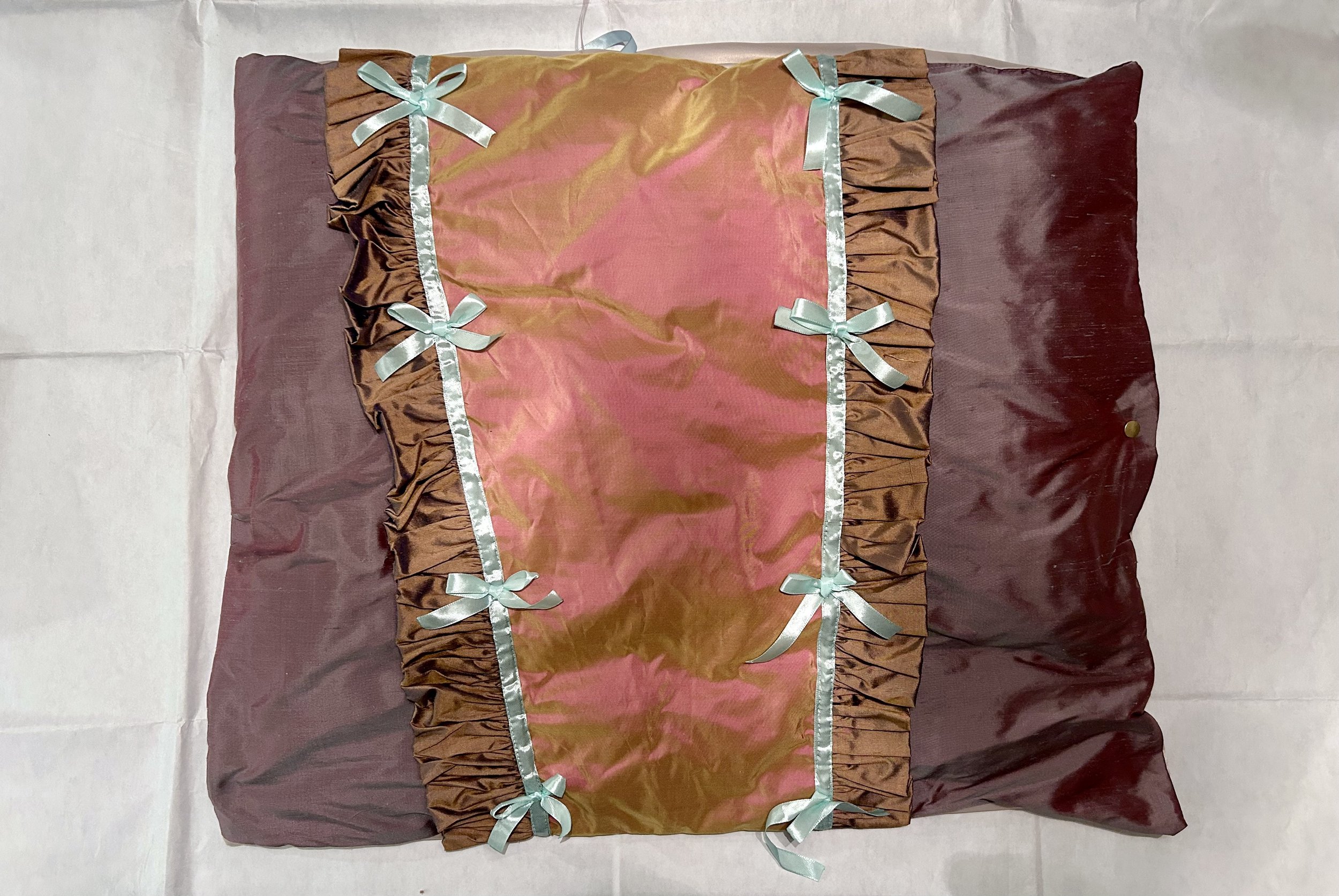
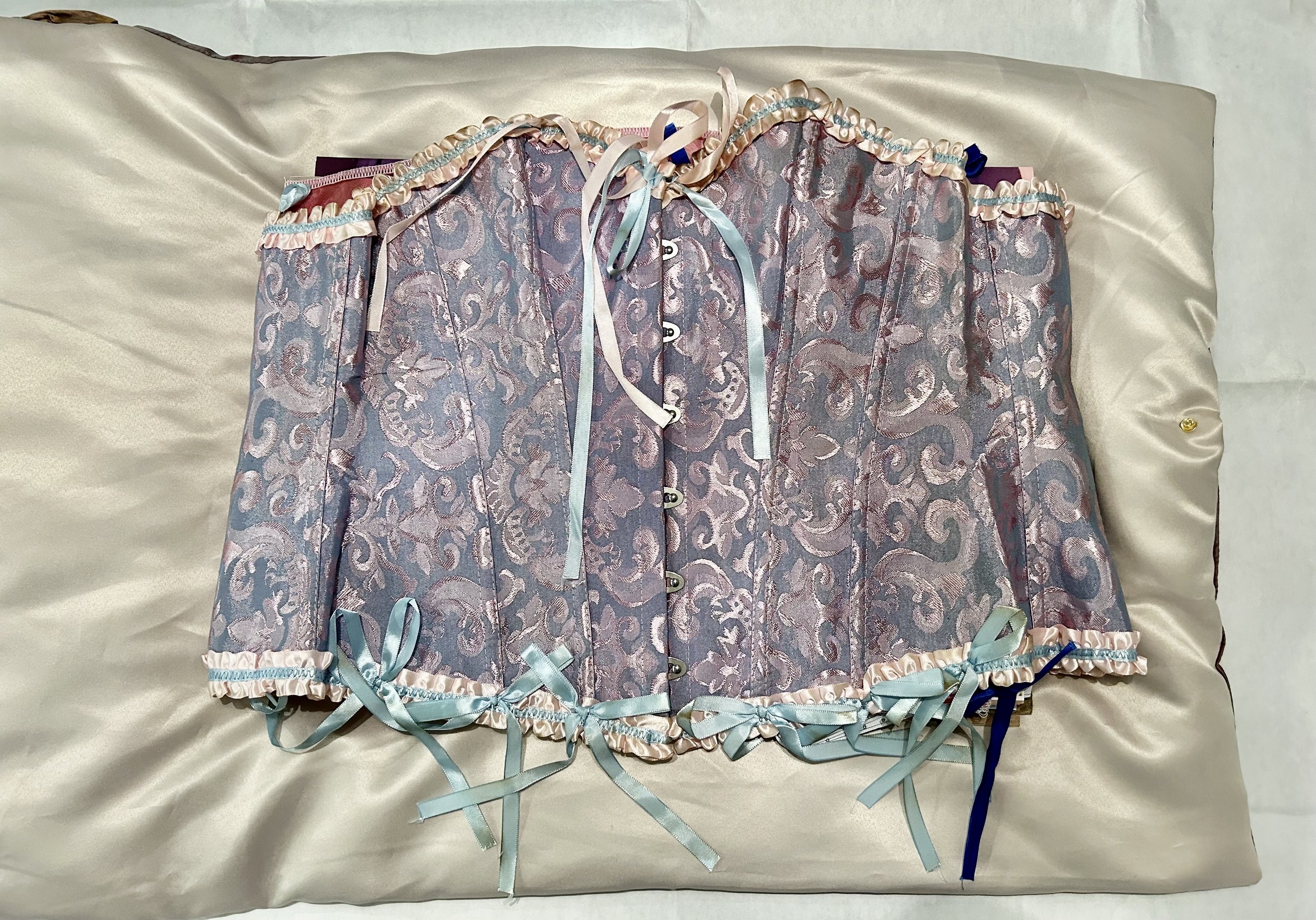
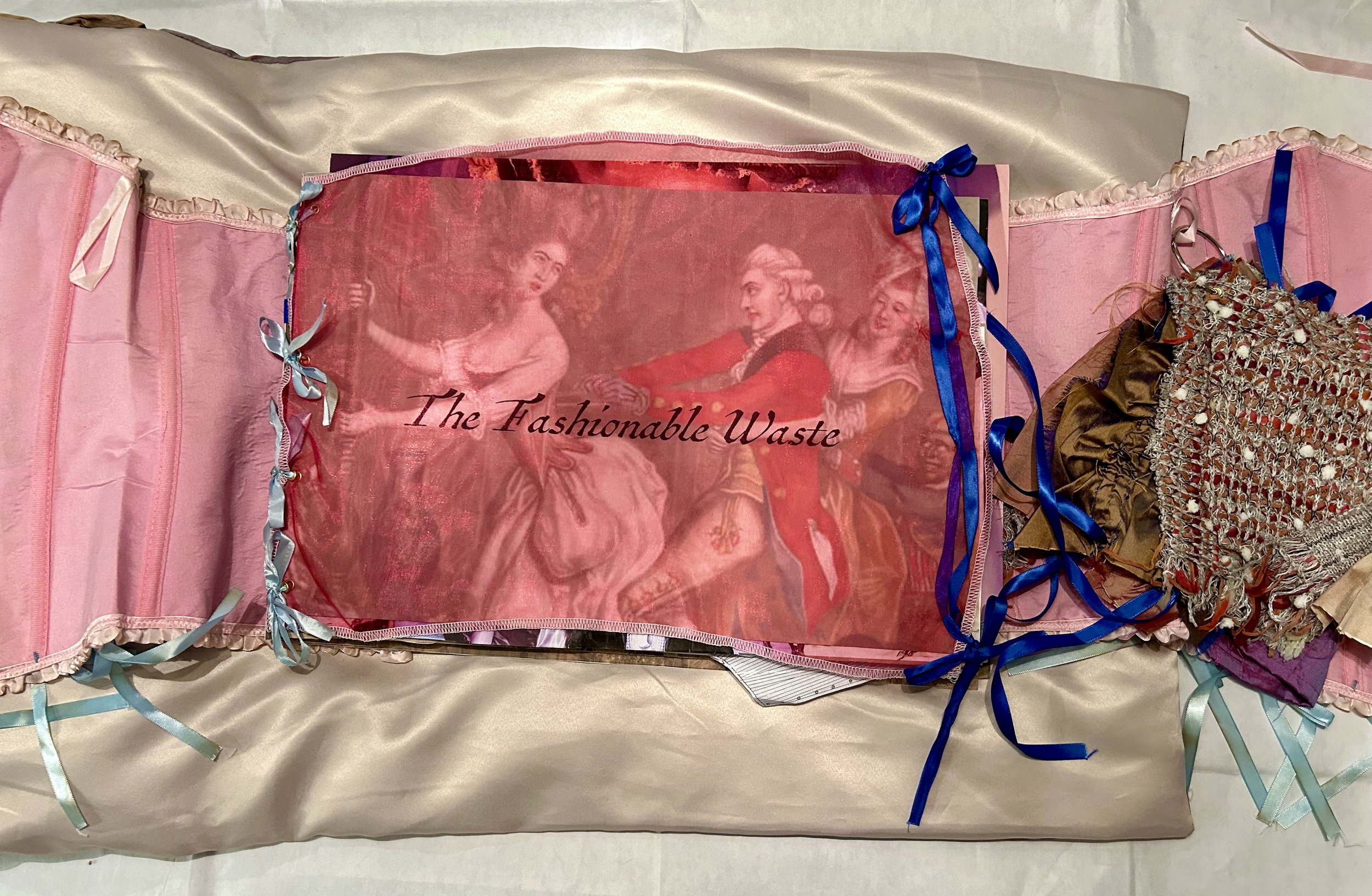
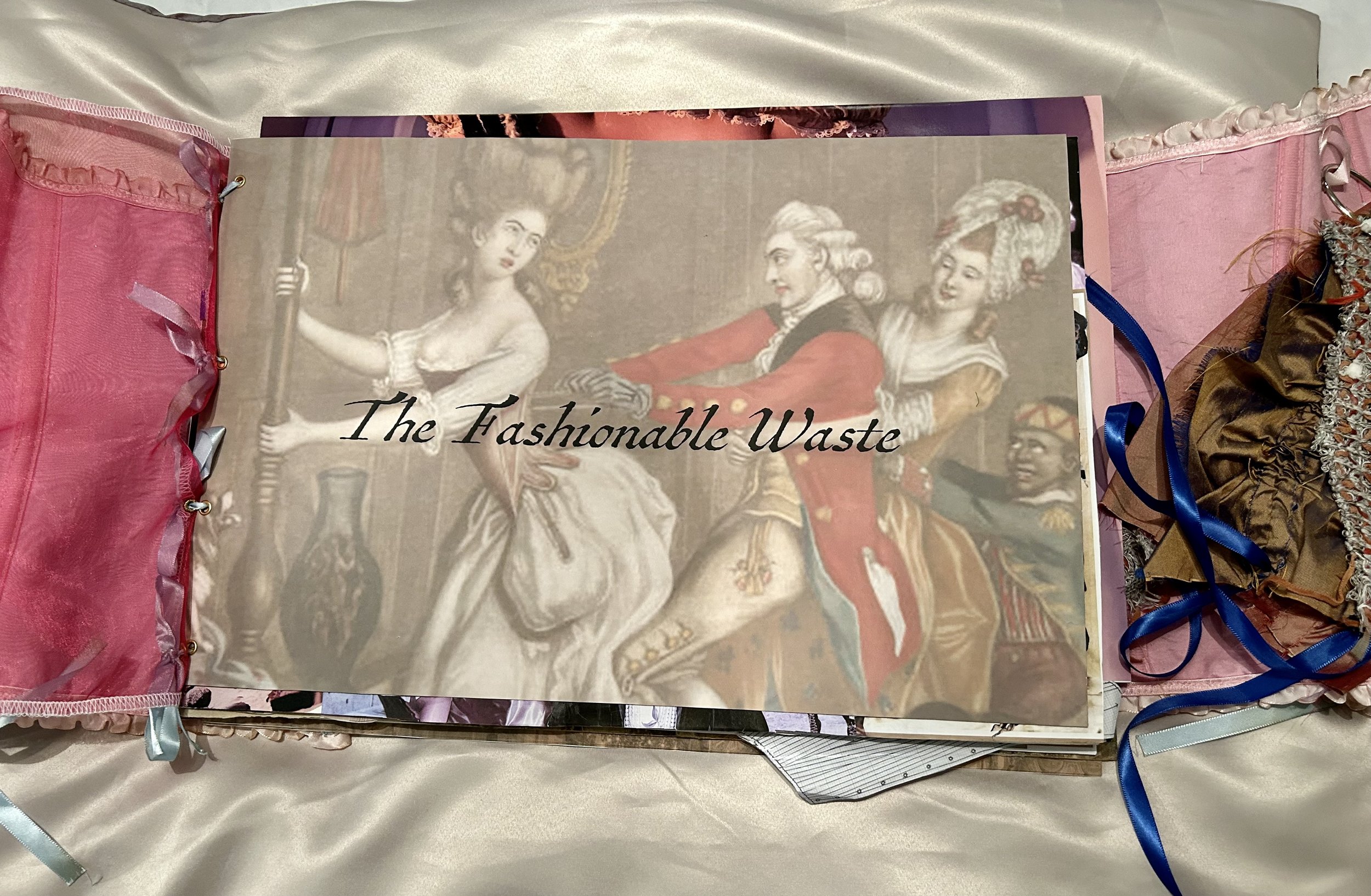
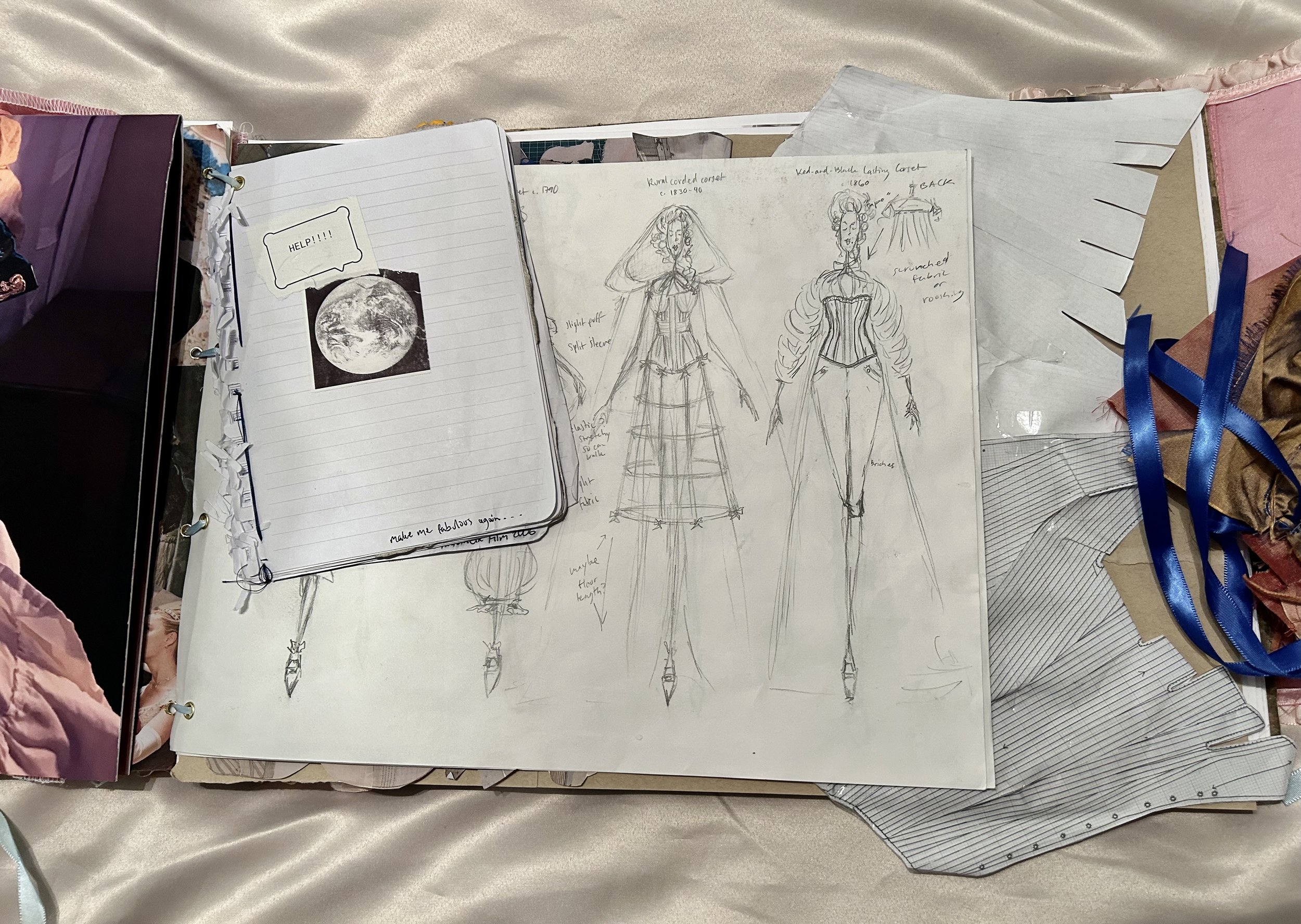
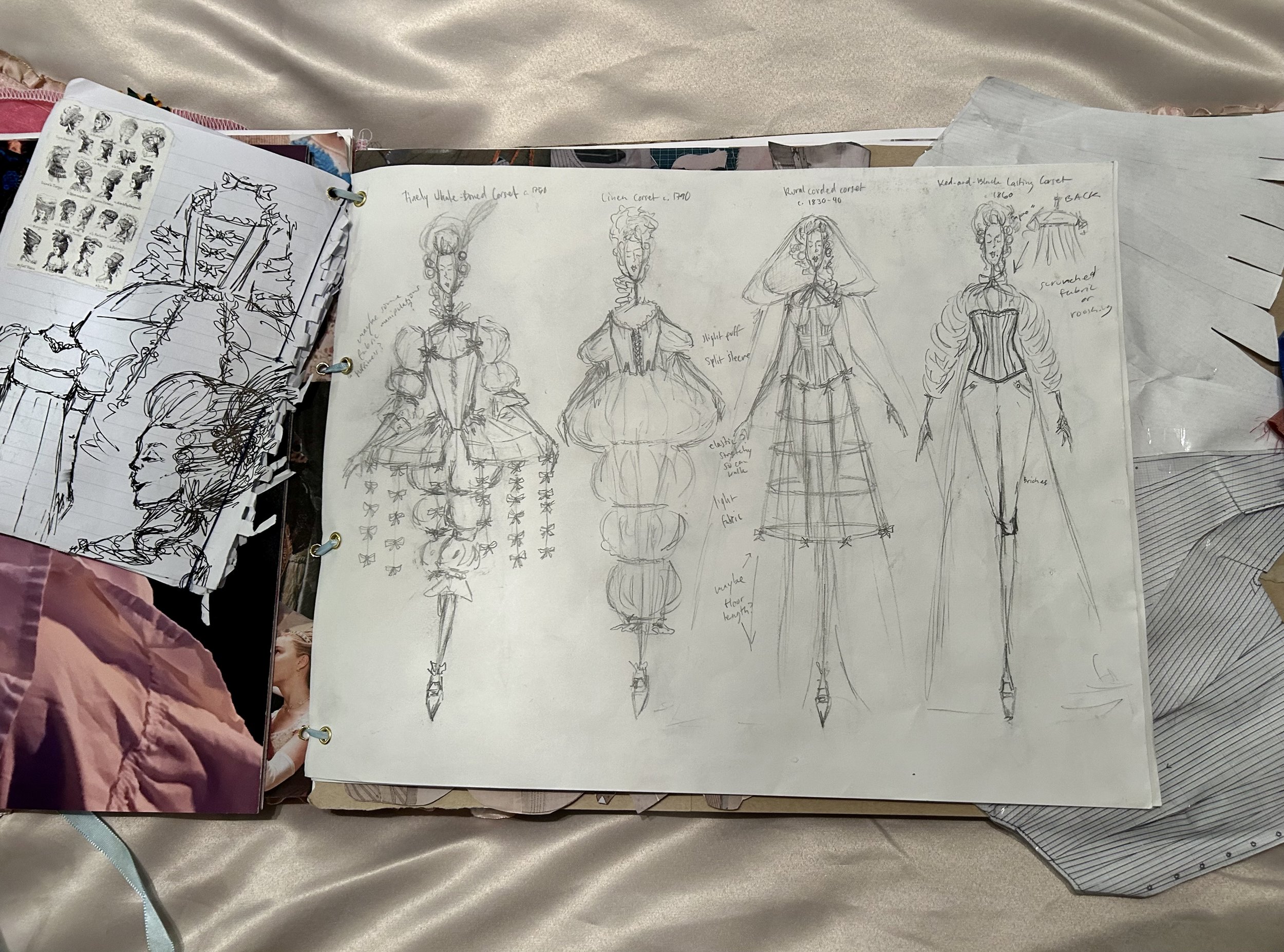
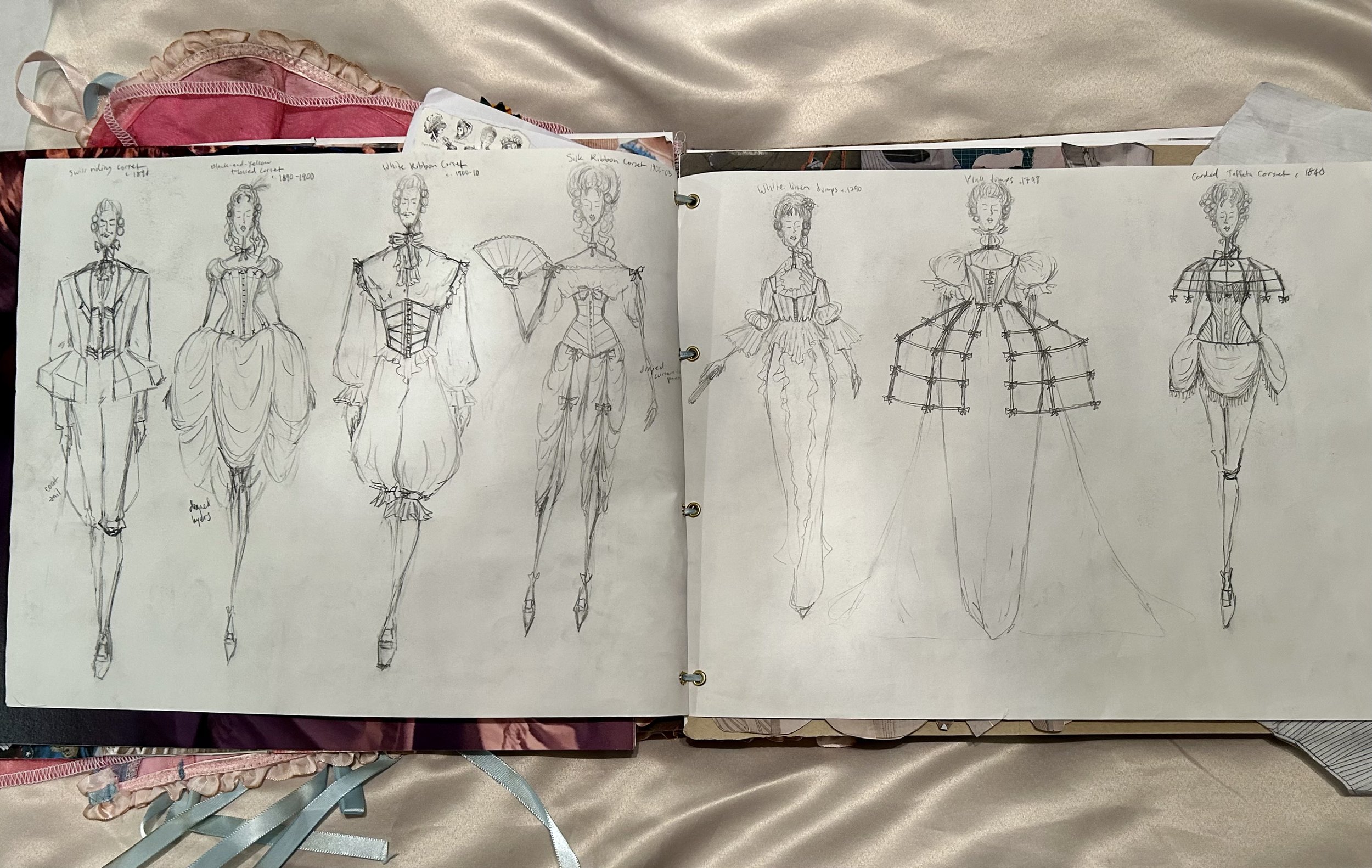
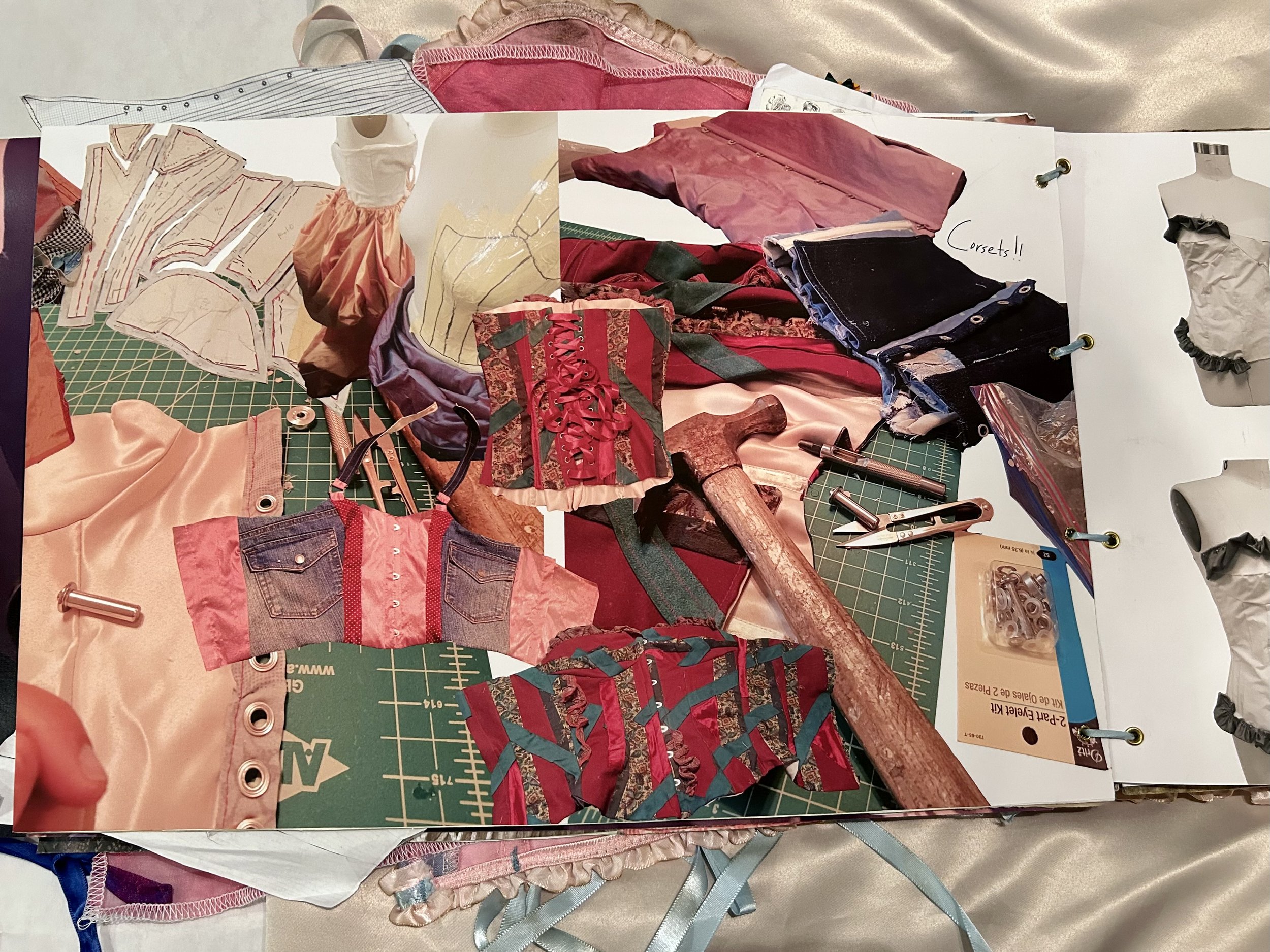
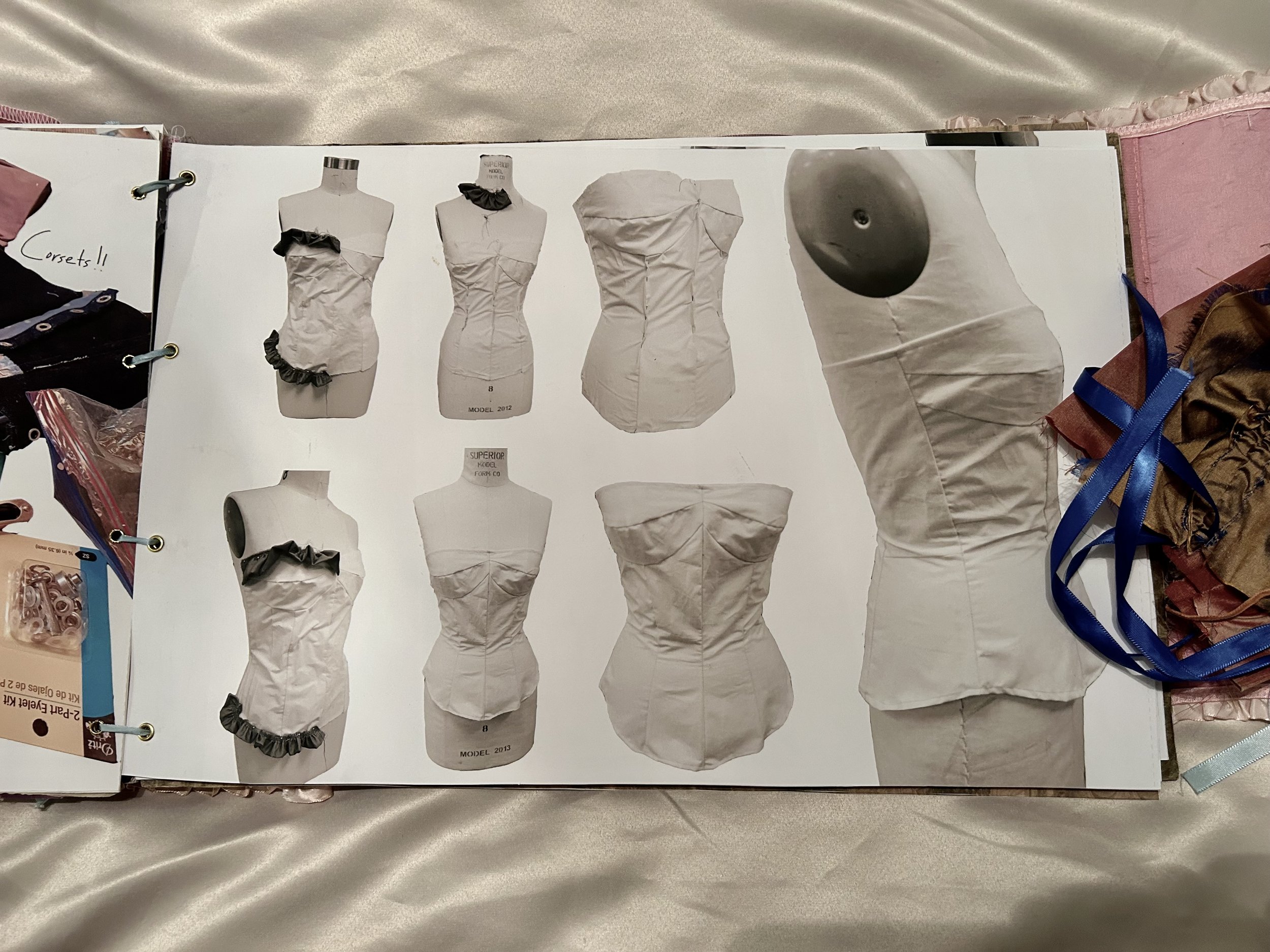
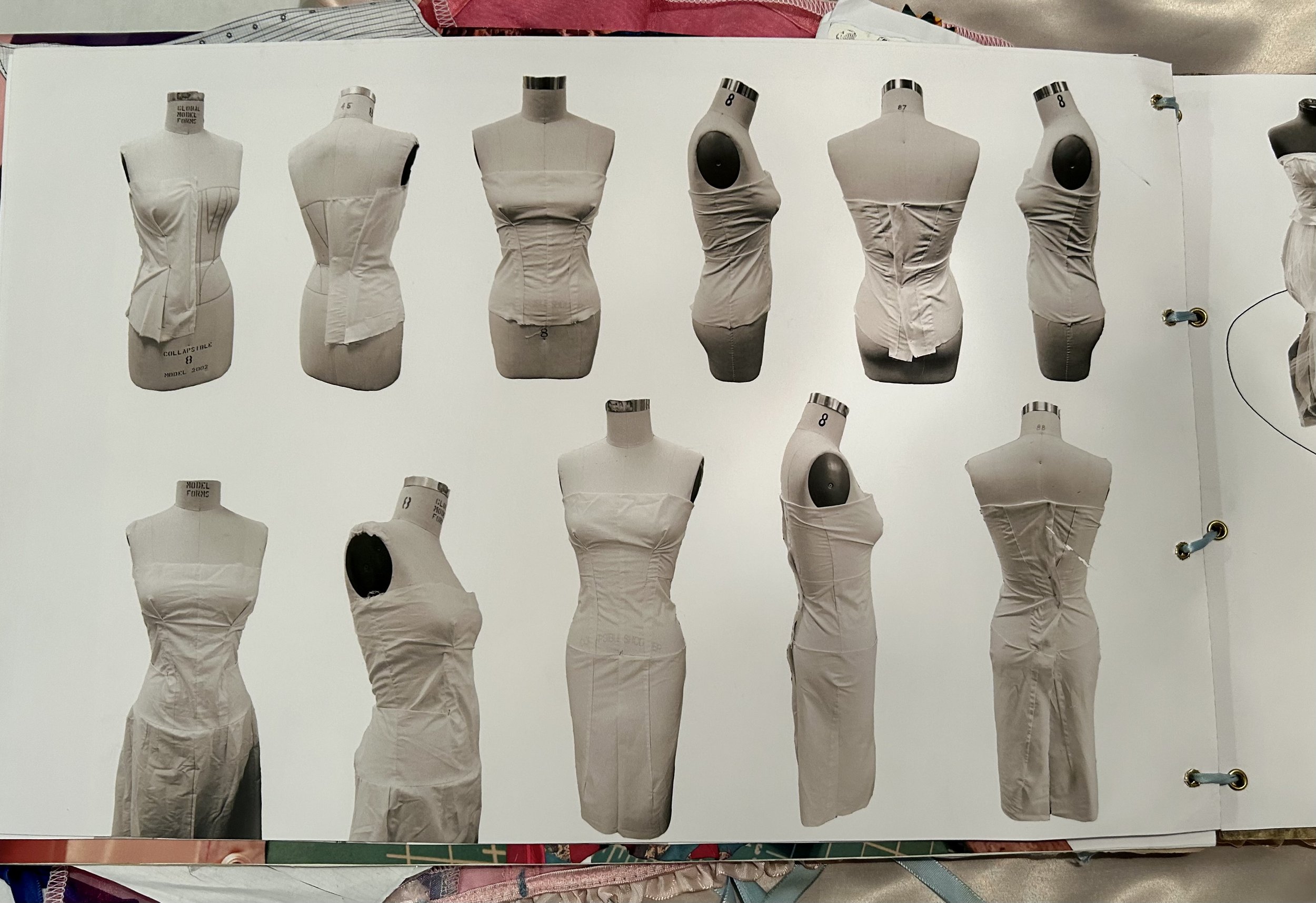
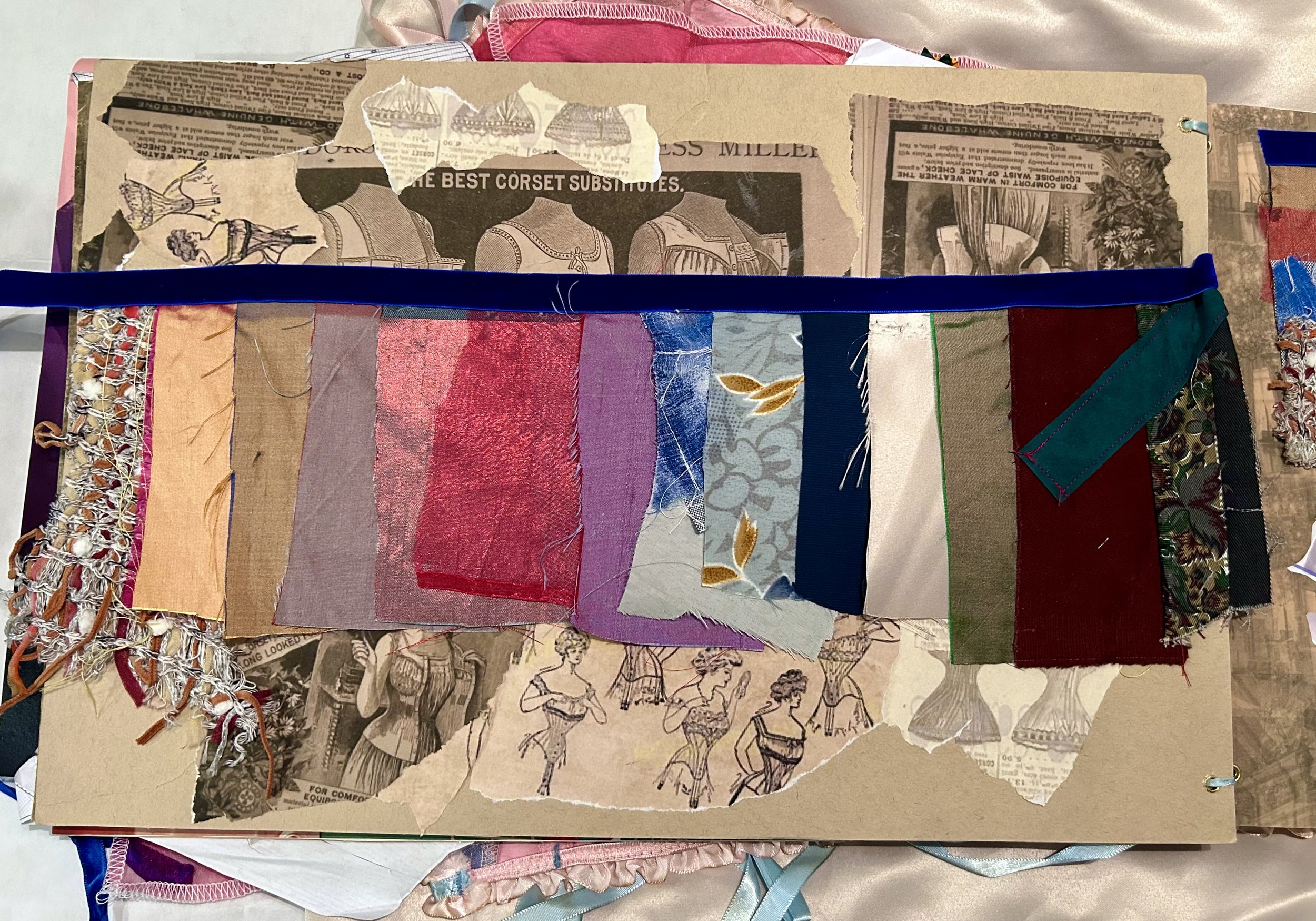
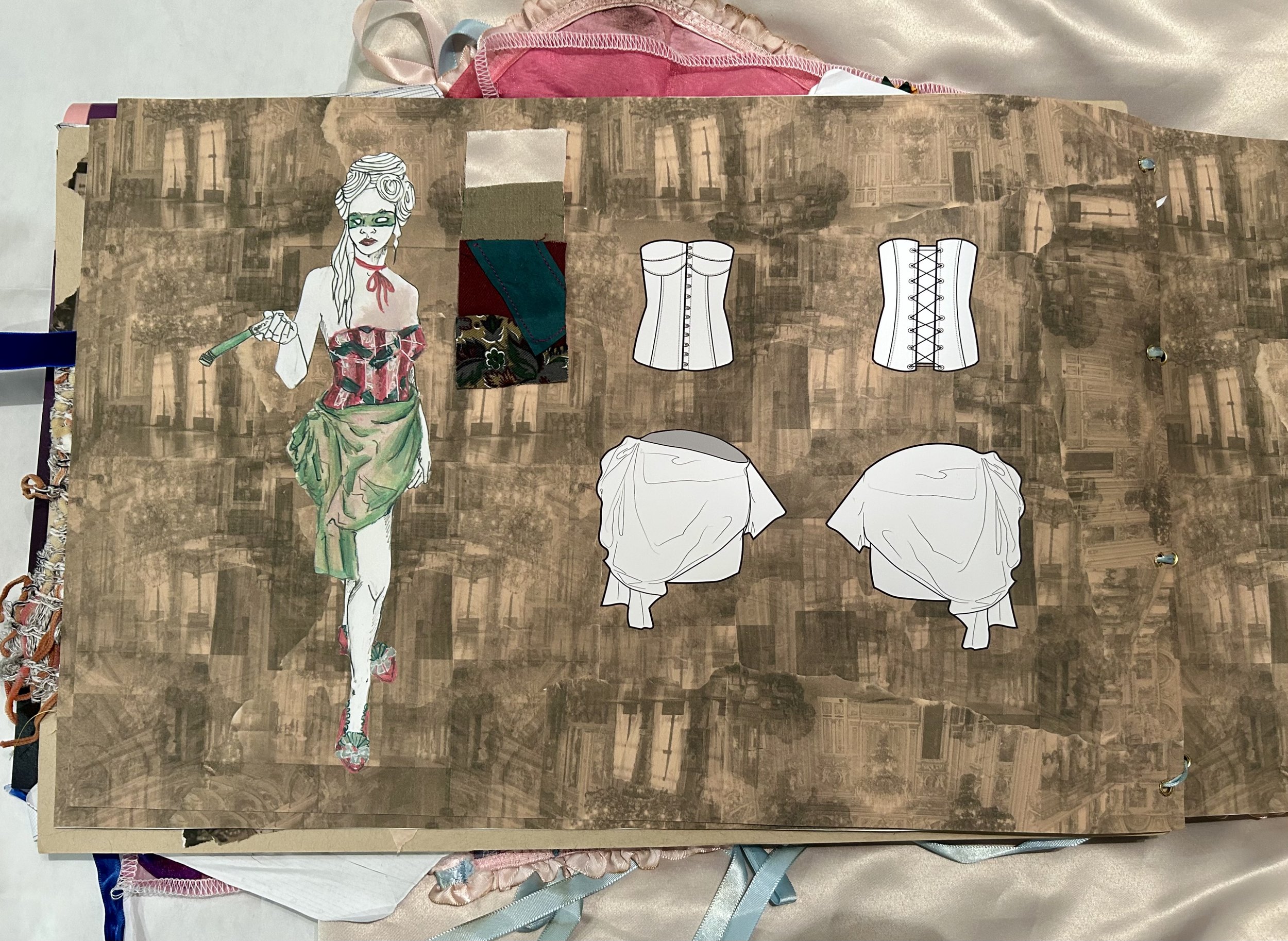
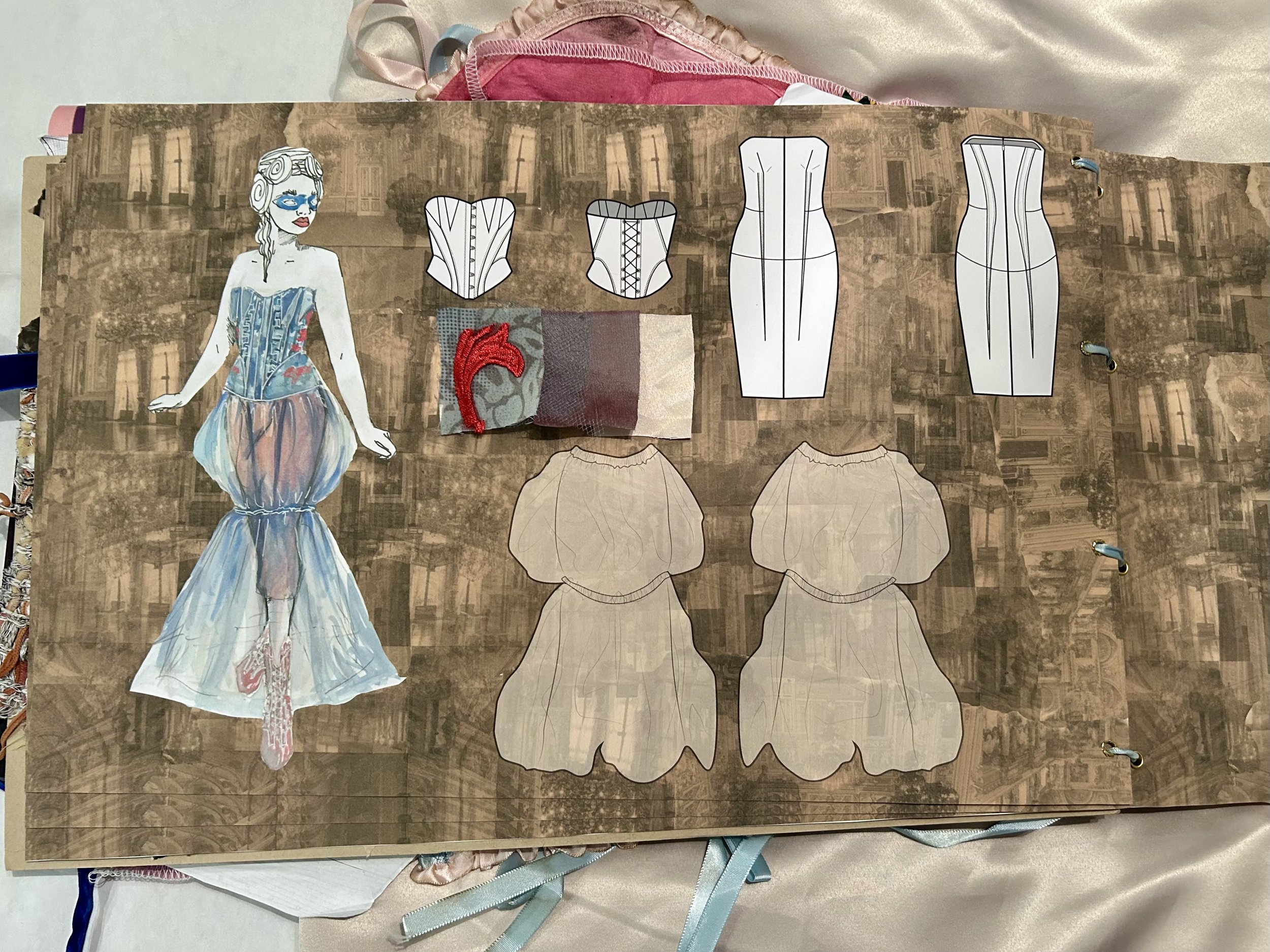
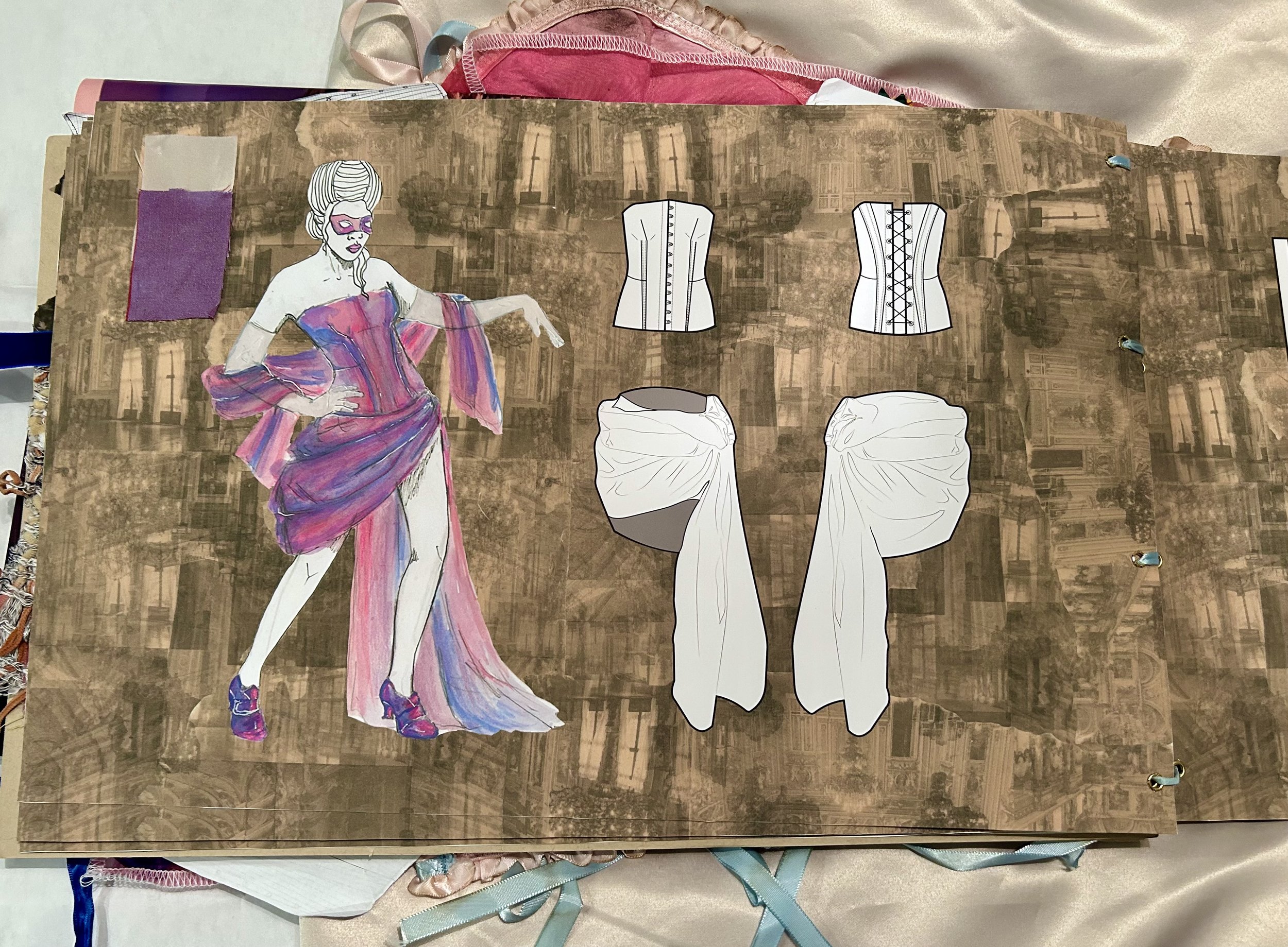
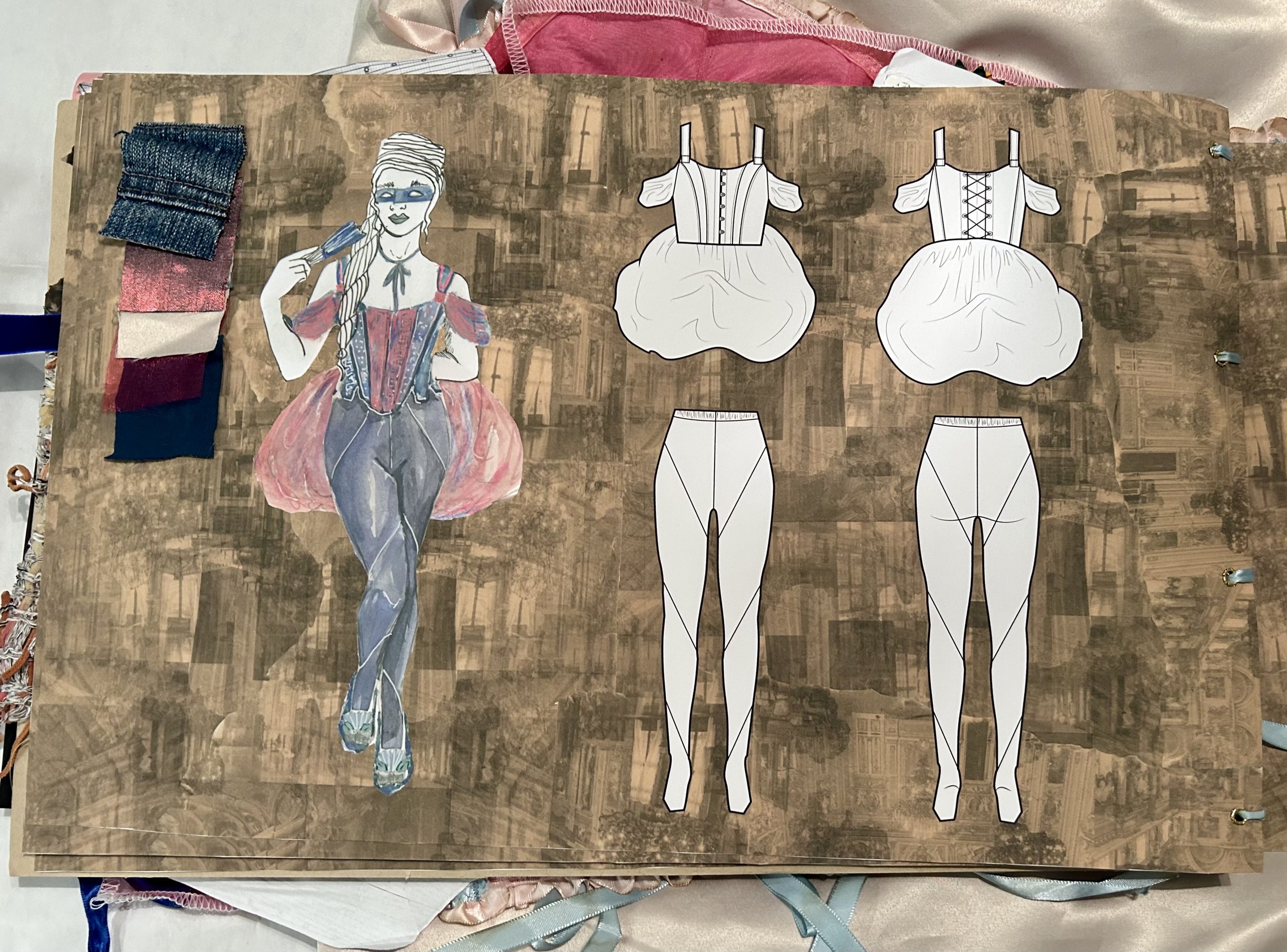
The corset is an iconic historical garment and yet is still very relevant in fashion today. The garment so perfectly depicts the phrase, “beauty is pain.” This famous saying actually comes from a French saying, “Il faut souffrir pour être belle,” that translates to, “one must suffer to be beautiful.” In retrospect, it sounds silly that one has to suffer, but people, women in particular, have been suffering in the name of beauty for centuries. The tale of the “fashionable waist” is a long one, dating all the way back to 1550. The first corsets were made out of rigid materials such as whalebone, horn, and buckram. The corset has since been an essential element of fashionable dress for 400 years (The Corset, Steele 2001). However, in today’s industry, I have yet to come across a sustainably-made corset.
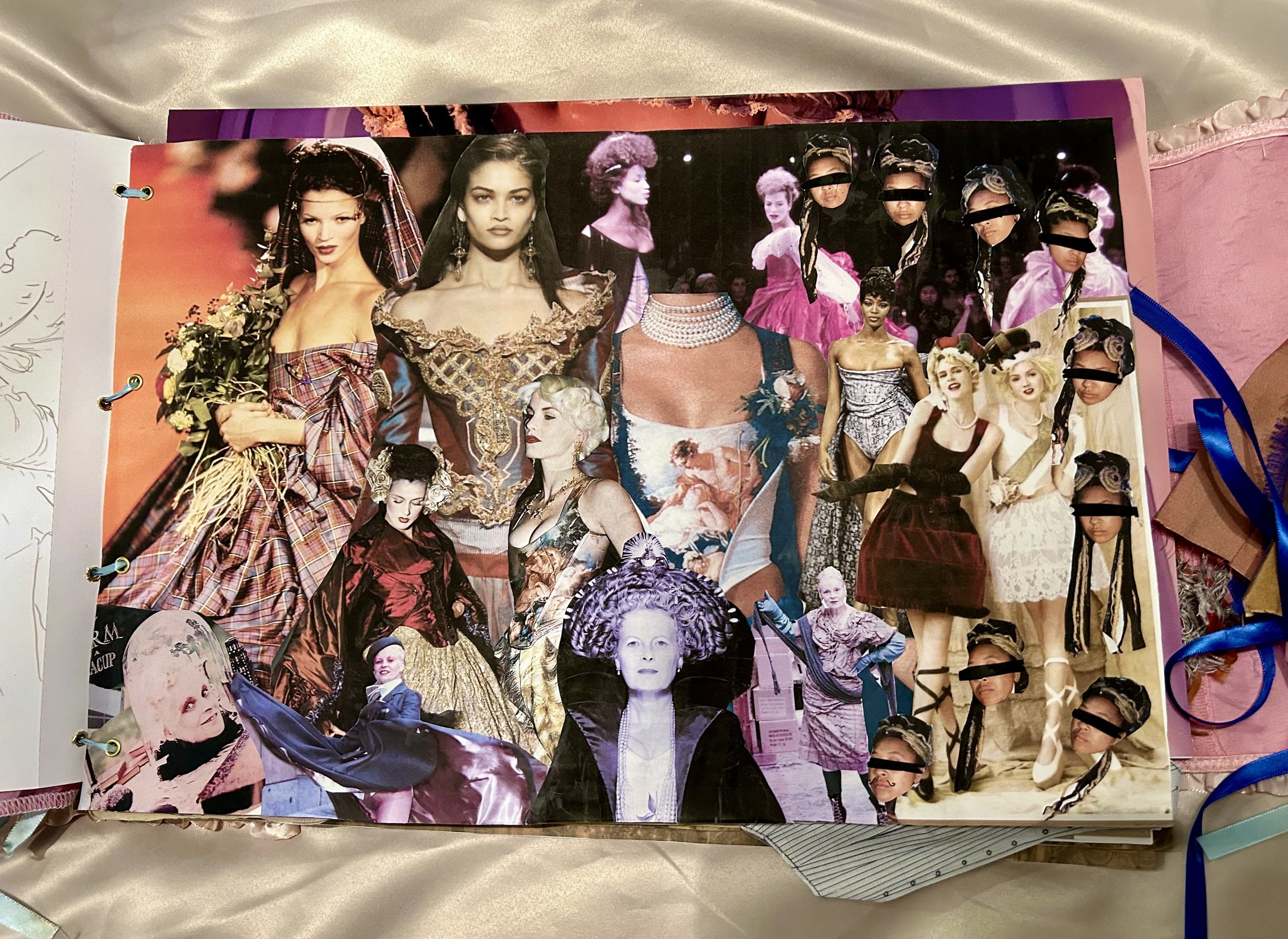
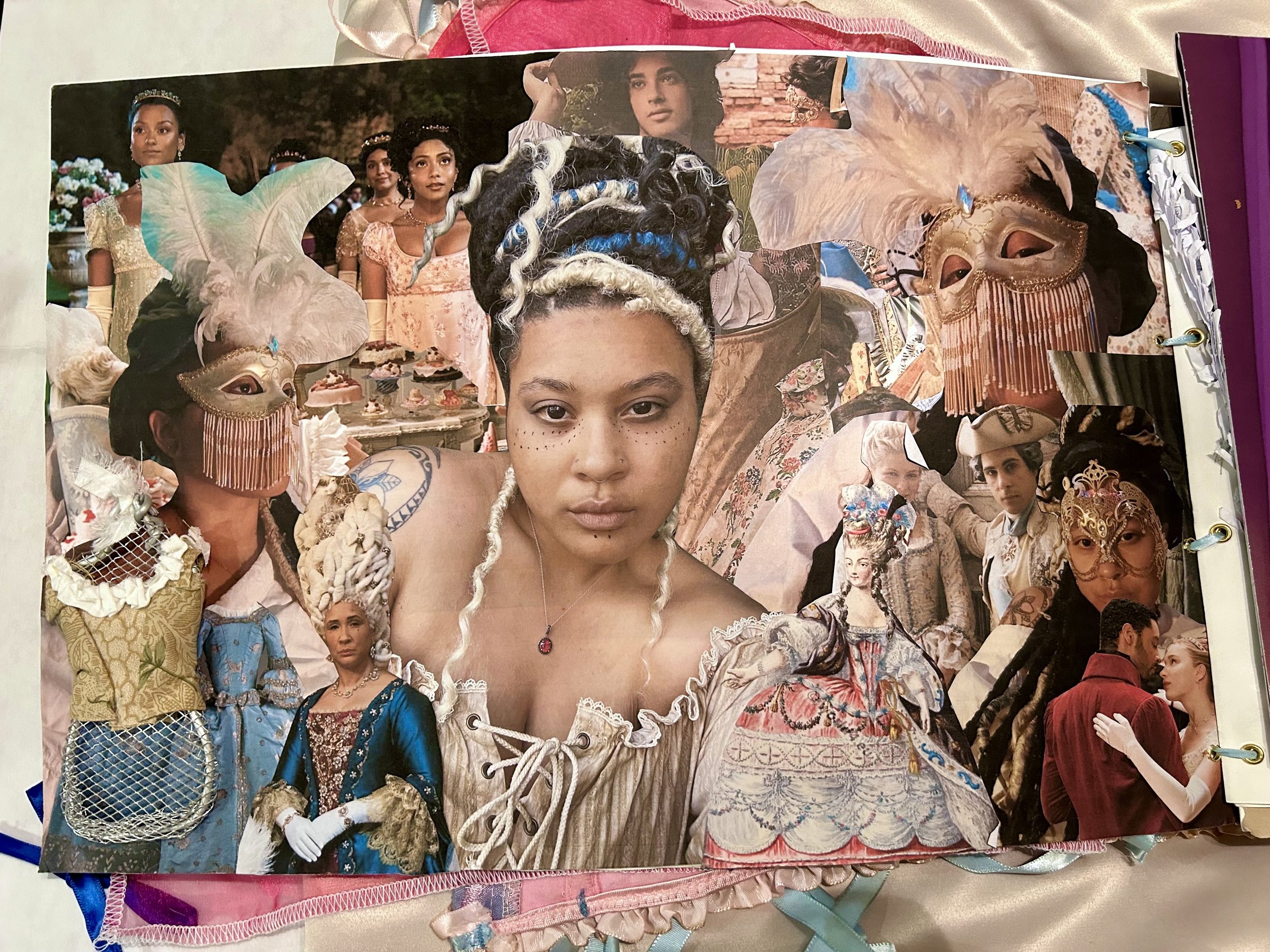
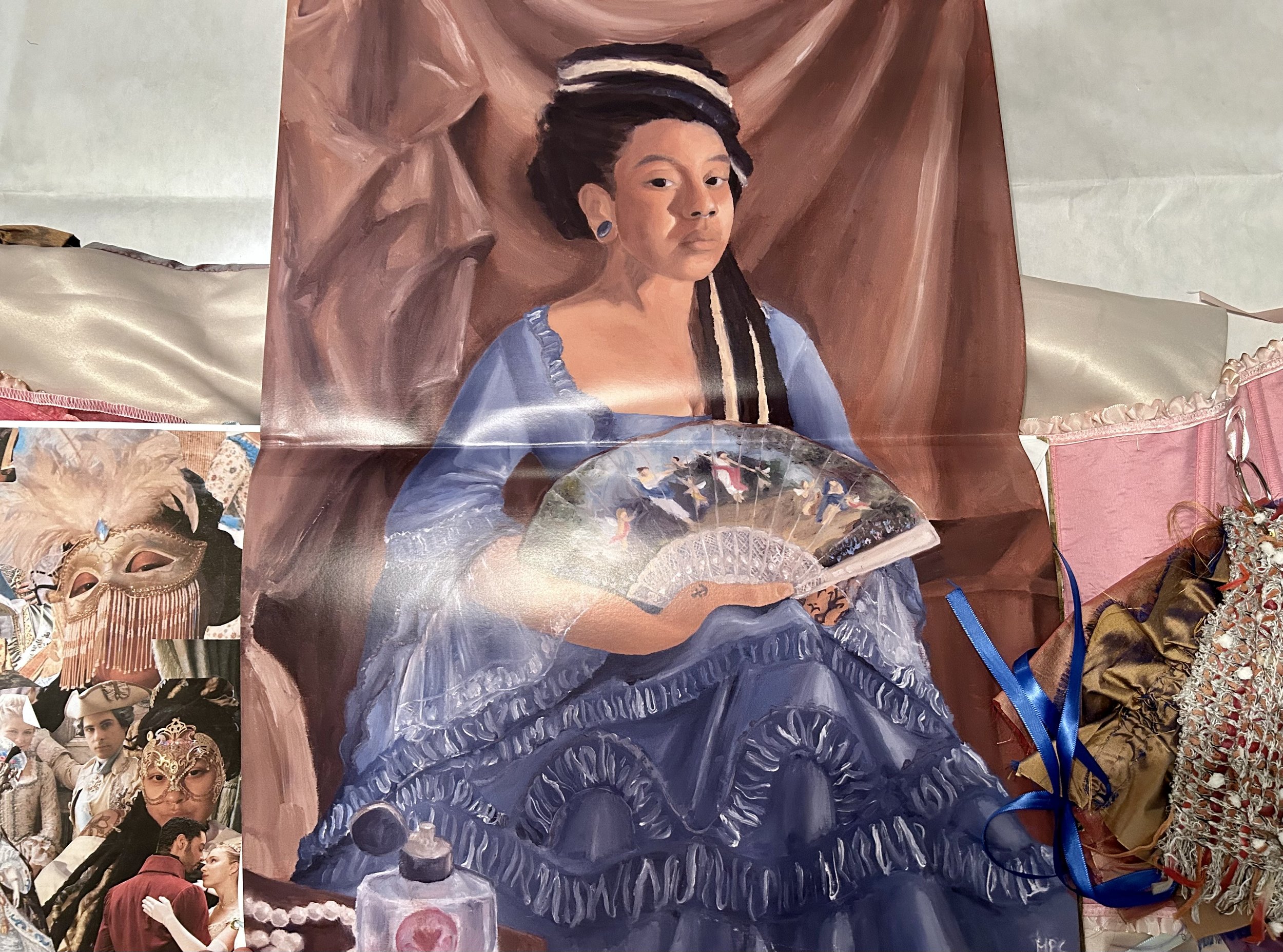
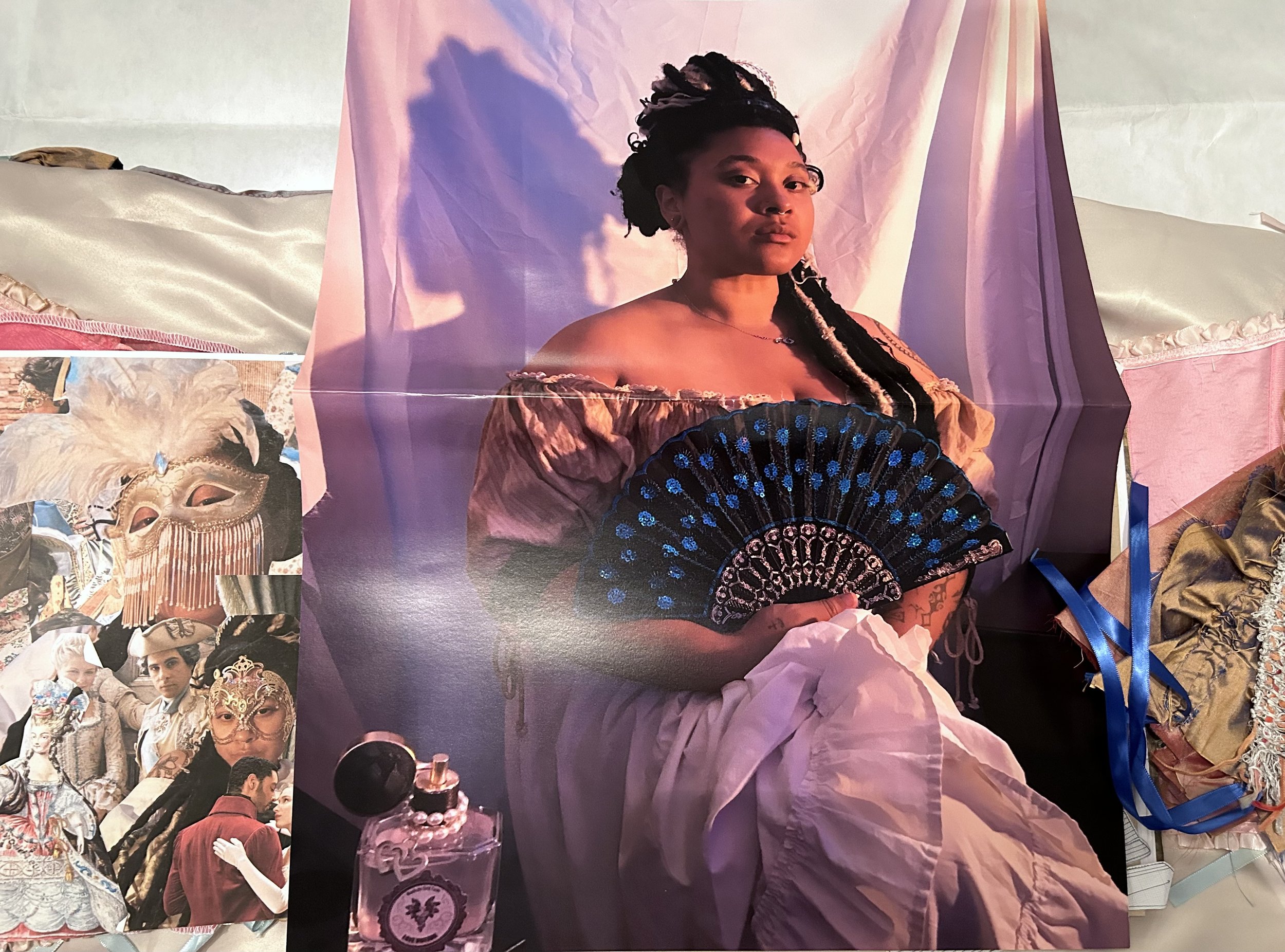
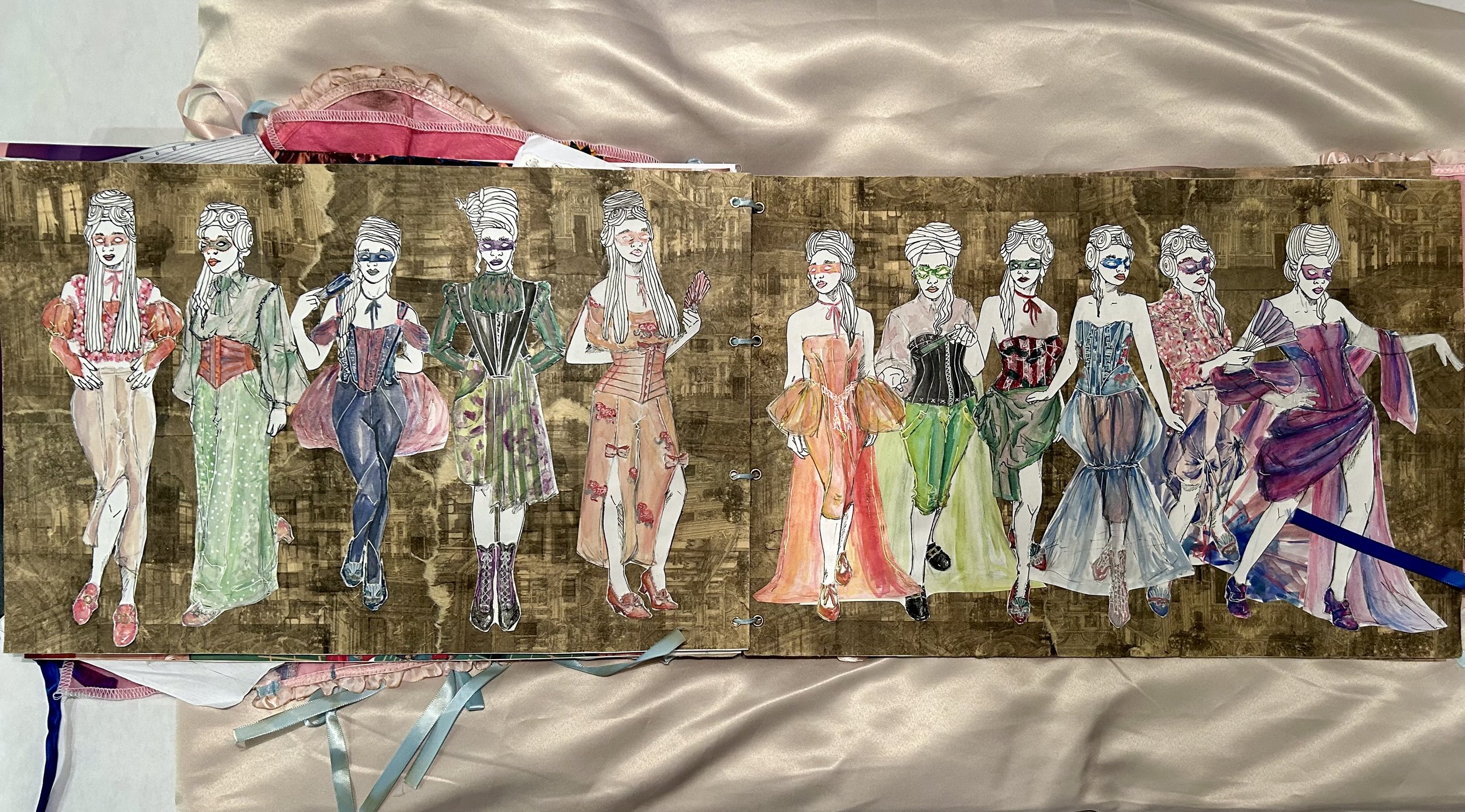
Fashion of the 17th-18th Century has always intrigued me. Historical garments allow me to time travel, and I get to admire the tailoring and detail that went into creating these works of art for living in. The person was an empty canvas, the imported textiles and trims were the paint. From the wide crinoline skirts to the powdered wigs, one had to go through an elaborate ceremony just to get dressed every morning.
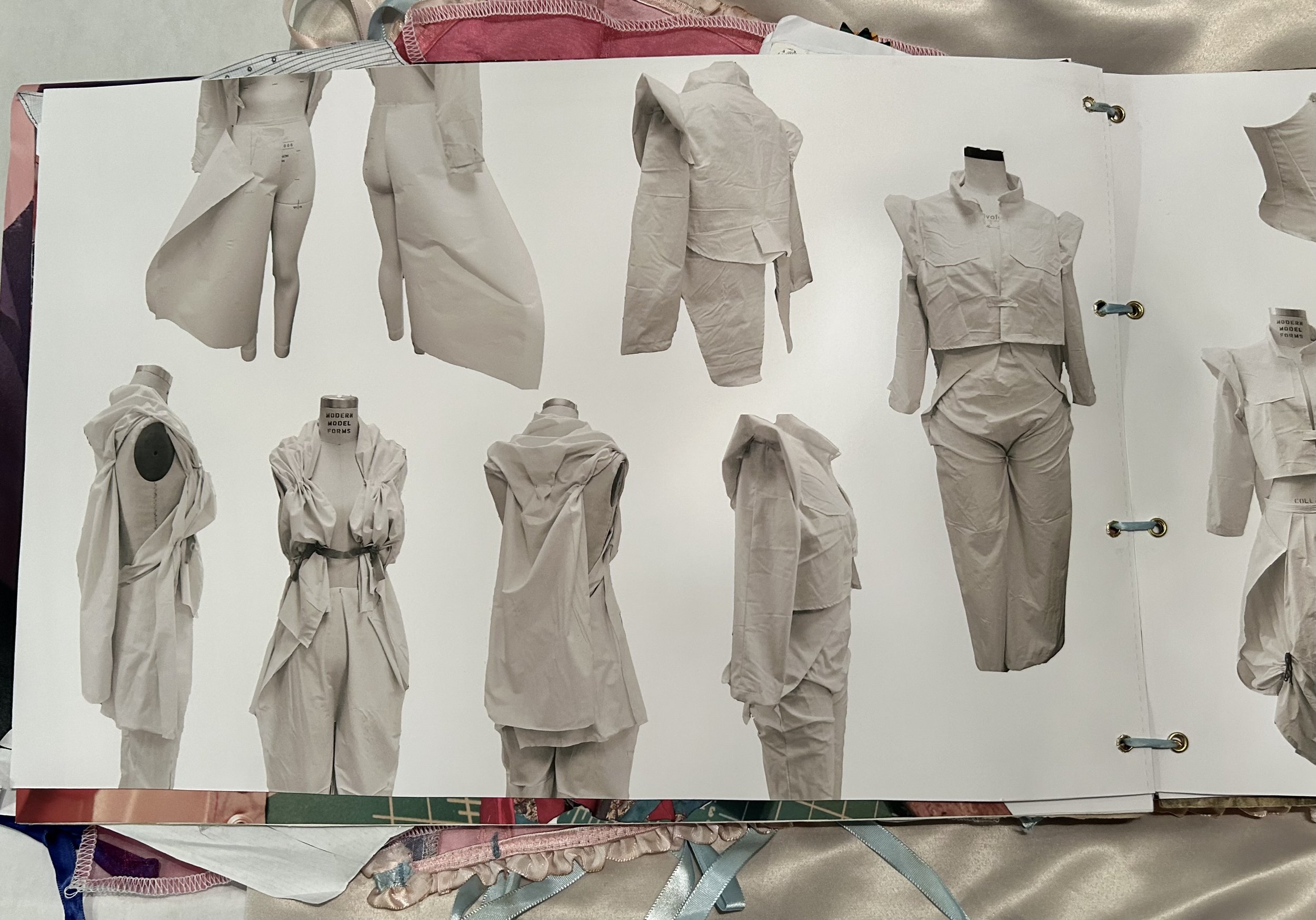
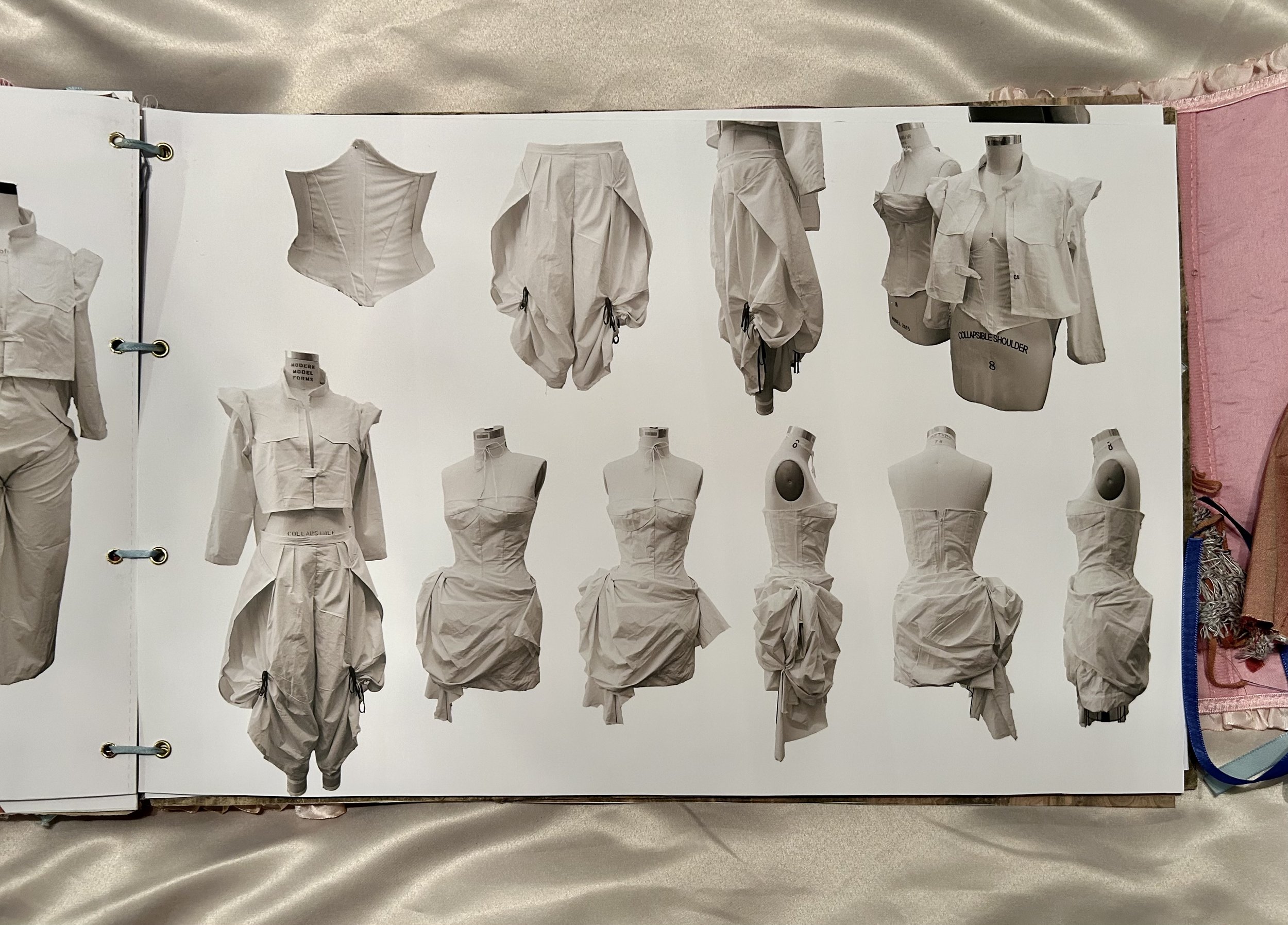
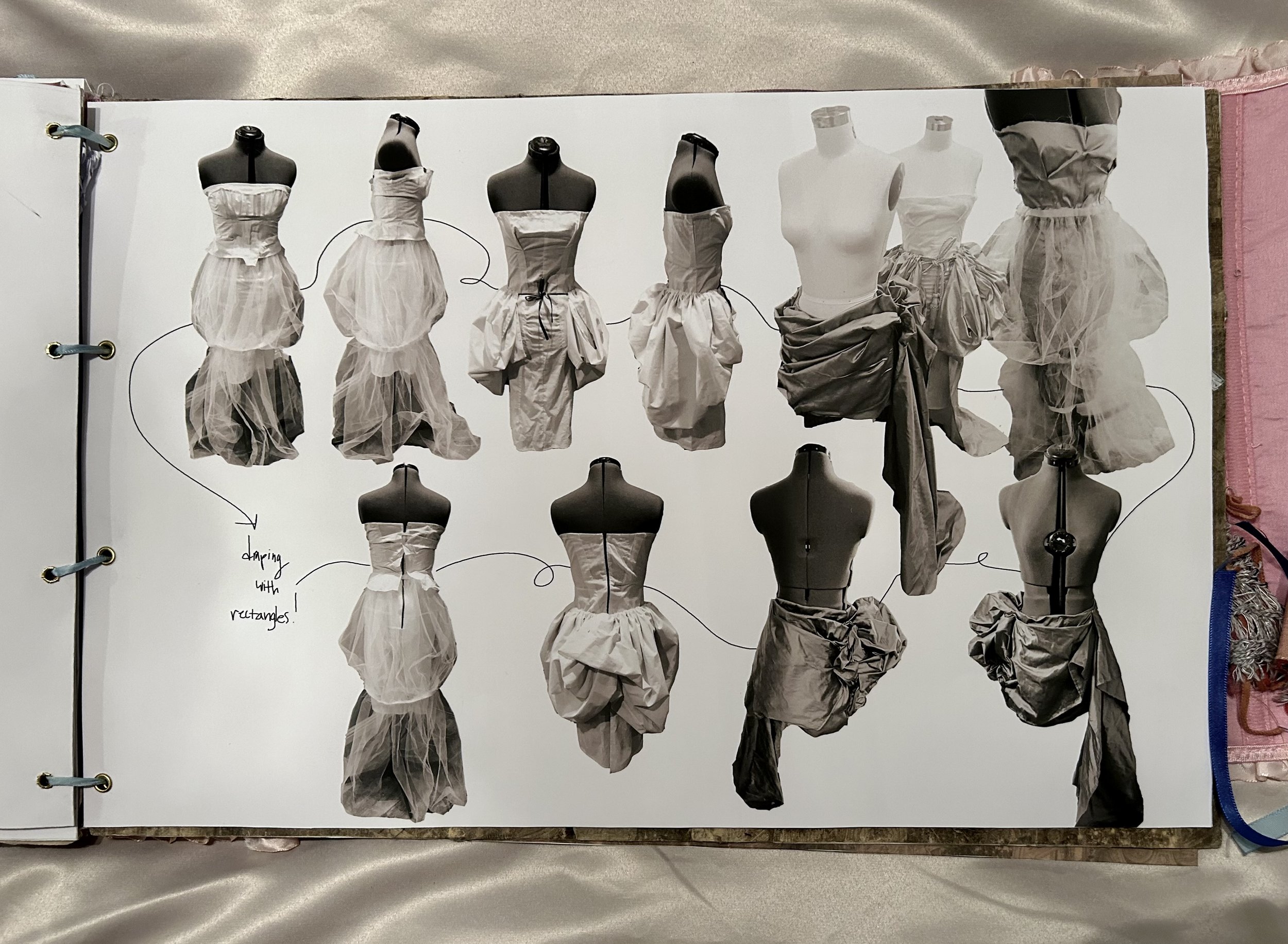
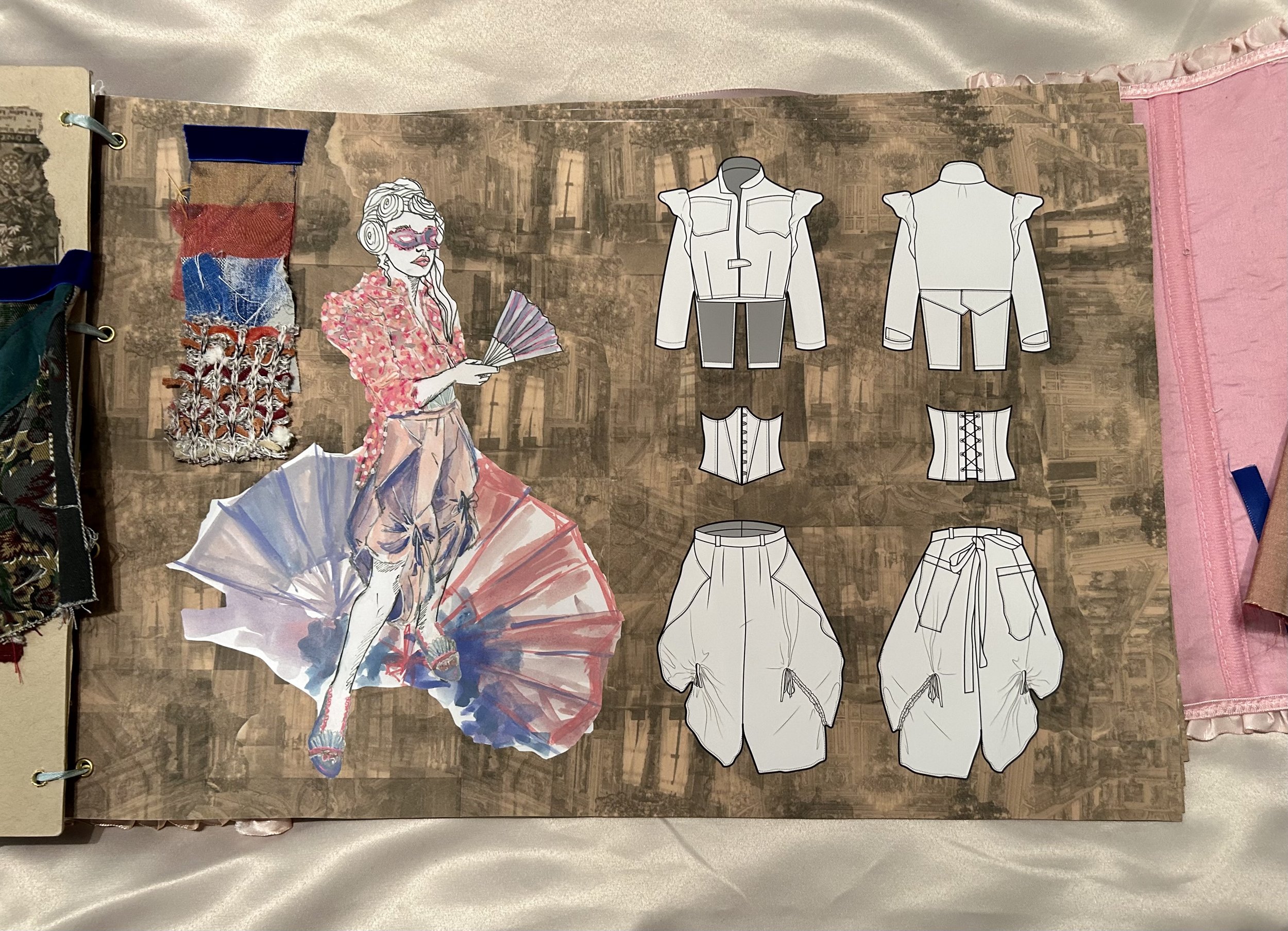
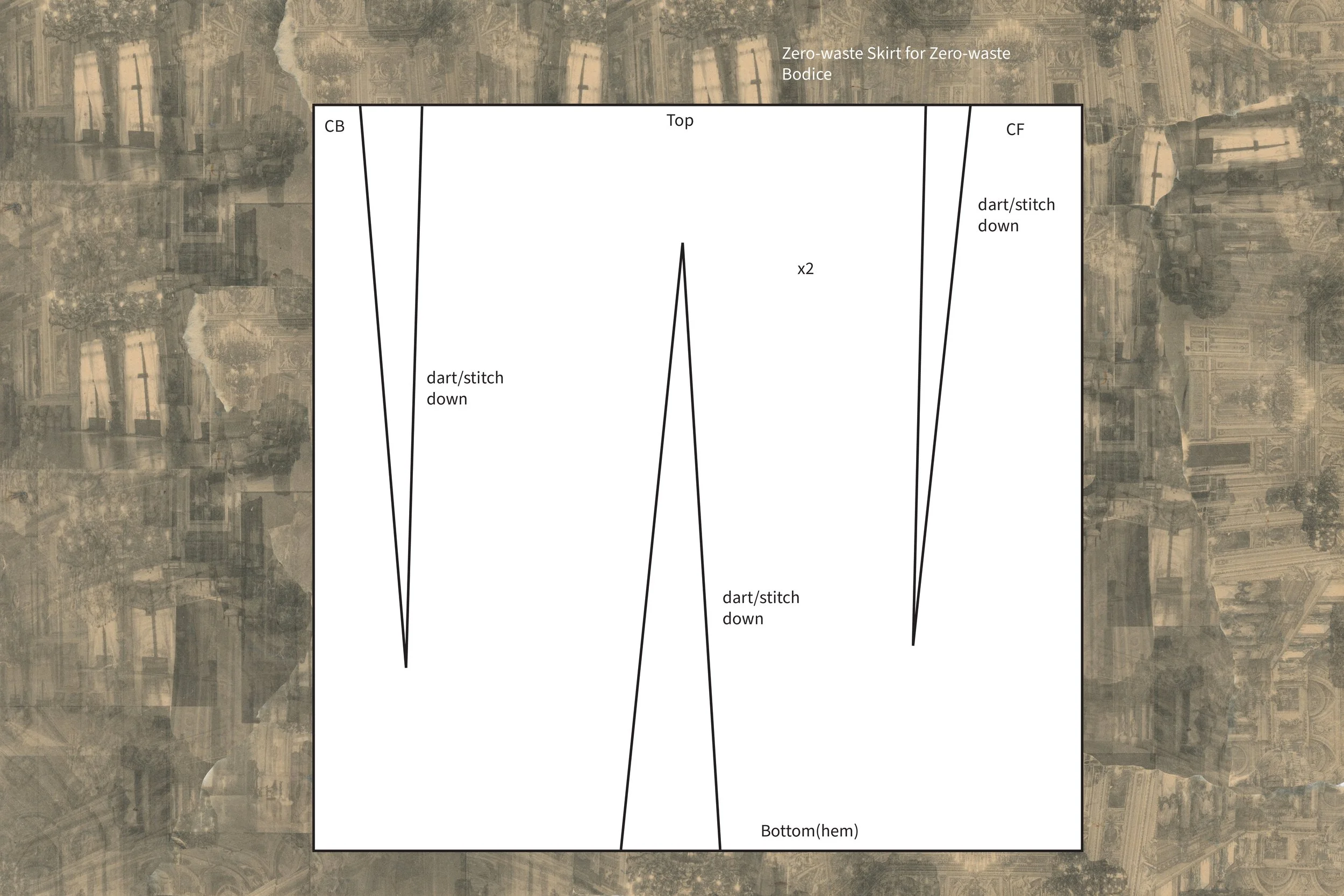
We are so used to seeing these types of garments made using layers upon layers of fabric. I would love to honor the historical aesthetic and evolve it to be relevant today, using sustainable, zero-waste patterning methods and upcycling techniques.